

A music platform, concept to both app stores
Live · App Store and Google Playbaxstage.comMost of what we do is client work, and we are good at it. But an agency ships and leaves, and some products are worth more than an invoice. When the idea, the founder and the timing line up, we stop being a supplier and become a partner: we take equity, we operate the thing, and we carry the same risk the founder does.
Two ventures so far, and one project early enough that calling it a venture would be getting ahead of ourselves.
A music platform, concept to both app stores
Live · App Store and Google Playbaxstage.com
Cross-border payments over WhatsApp
Live · moving real moneyommacash.comAn emotional-intelligence companion for children
Prototype · partnership being shapedThe same engineers, the same standards, a different relationship. Most work is the left column, and there is nothing second-class about it.
If you are not sure which one you want, the first call is where that gets decided, and it is fine to decide on the agency.
An agency gets paid when it ships. We get paid if the company works.
Not an incubator badge on a website. Four concrete commitments, and we are held to all four.
We come in as the technical partner and take a stake, instead of part of the fee or alongside it. If the company does not work, neither does our upside.
Releases, infrastructure, incidents, app-store reviews, the unglamorous half. A venture is not handed over at launch; we are still the ones holding the pager.
Studio, the platform every project is delivered on, is a product we originated, funded and run. It is how we know what the first eighteen months of a company cost.
Technical due diligence, a data room that survives scrutiny, and an engineering story an investor can follow. The same work we do before our own rounds.
Nobody signs anything in week one. This is the sequence every one of them has gone through, and most conversations stop at step two, which is the point of having a step two.
What you are building, who it is for, what you have already tried. No deck required and no NDA theatre.
What it takes to build, what it costs to run, and what we think is wrong with the plan. You keep this whether or not anything else happens.
How much is cash and how much is equity, what each side commits to, and what happens if one of us wants out. There is no standard split; it depends on the stage and on how much of the build we carry.
Delivered on Studio like any other project, except we do not leave at launch. Infrastructure, releases, store submissions and the incidents belong to us too.
When the company goes looking for money, the technical half of that story is already written, reviewed and defensible.
Both are live, in production, with real users and real money moving. Neither is a case study we wrote after the fact.
Live · App Store and Google PlayA music platform, concept to both app stores
Visit the productbaxstage.comA mobile-first platform where artists and fans meet: discovery, social feeds, playlists, group and venue profiles, reviews, direct booking of musicians with escrow, subscriptions and creator tools. Built end to end: React Native apps, a NestJS backend, the cloud underneath, payments, moderation and the AI features, all launched on both stores.
Our role: originated the engineering, built every surface, and we run it: releases, infrastructure, store submissions and incidents.
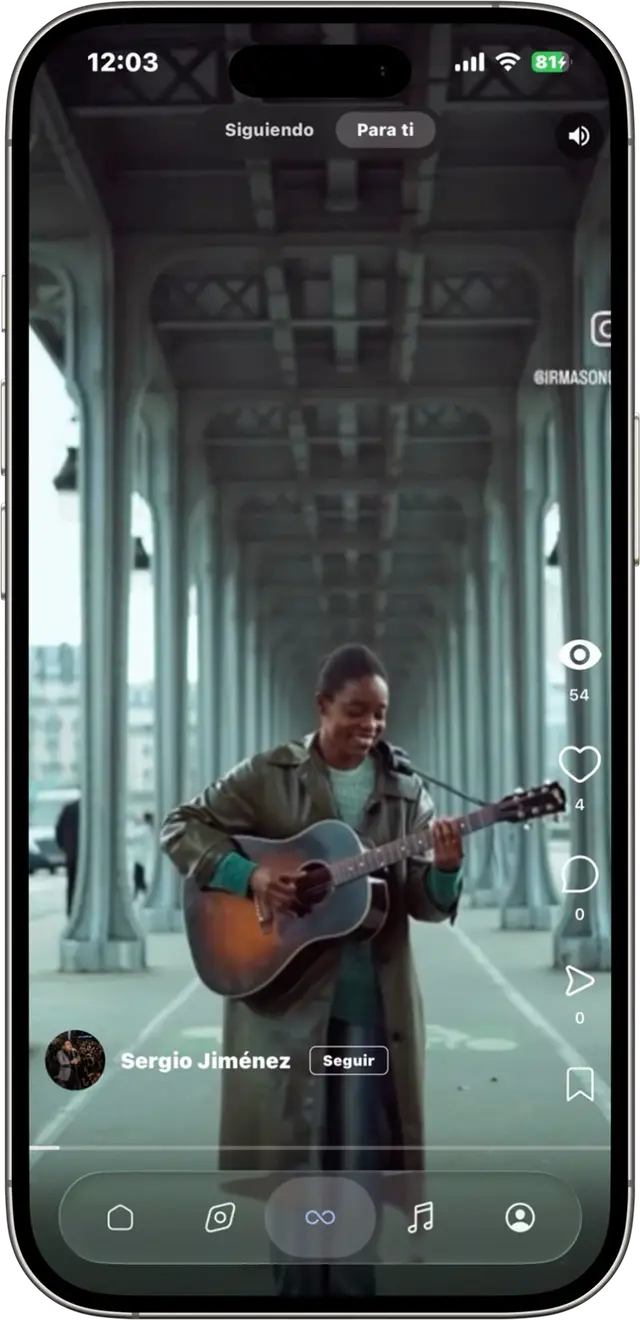
The loops feed, where artists are found
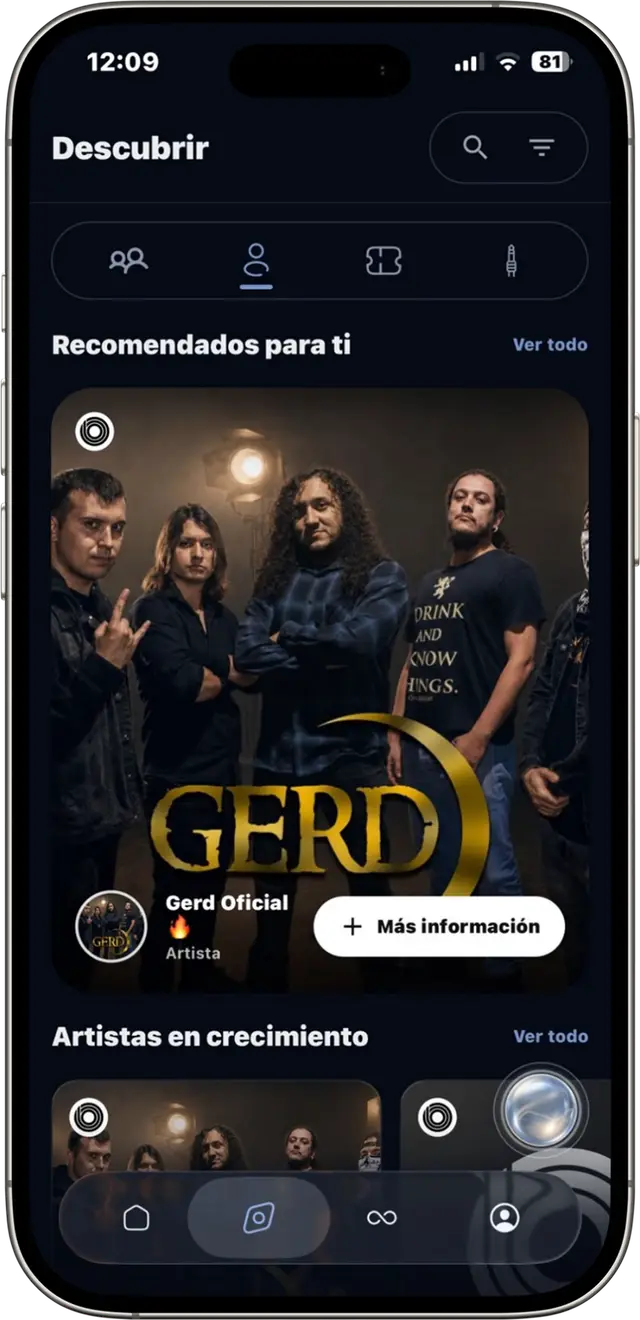
Discover: recommended and emerging artists
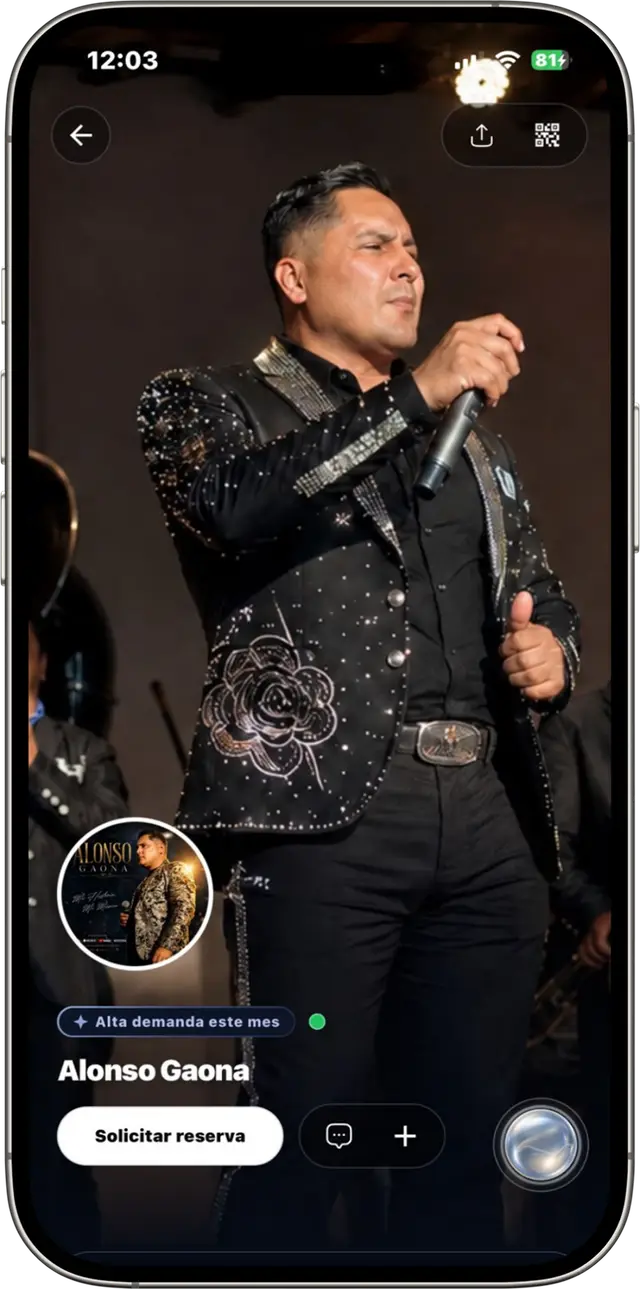
An artist profile, bookable from the page
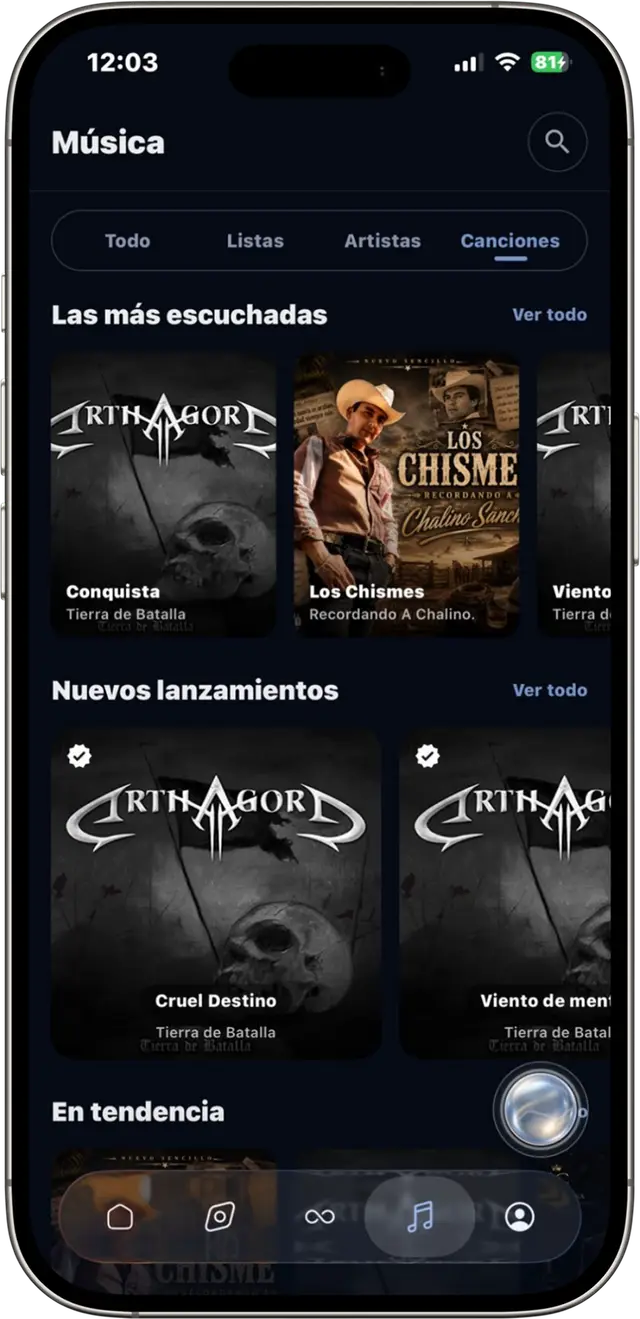
Music: releases, charts and what is trending
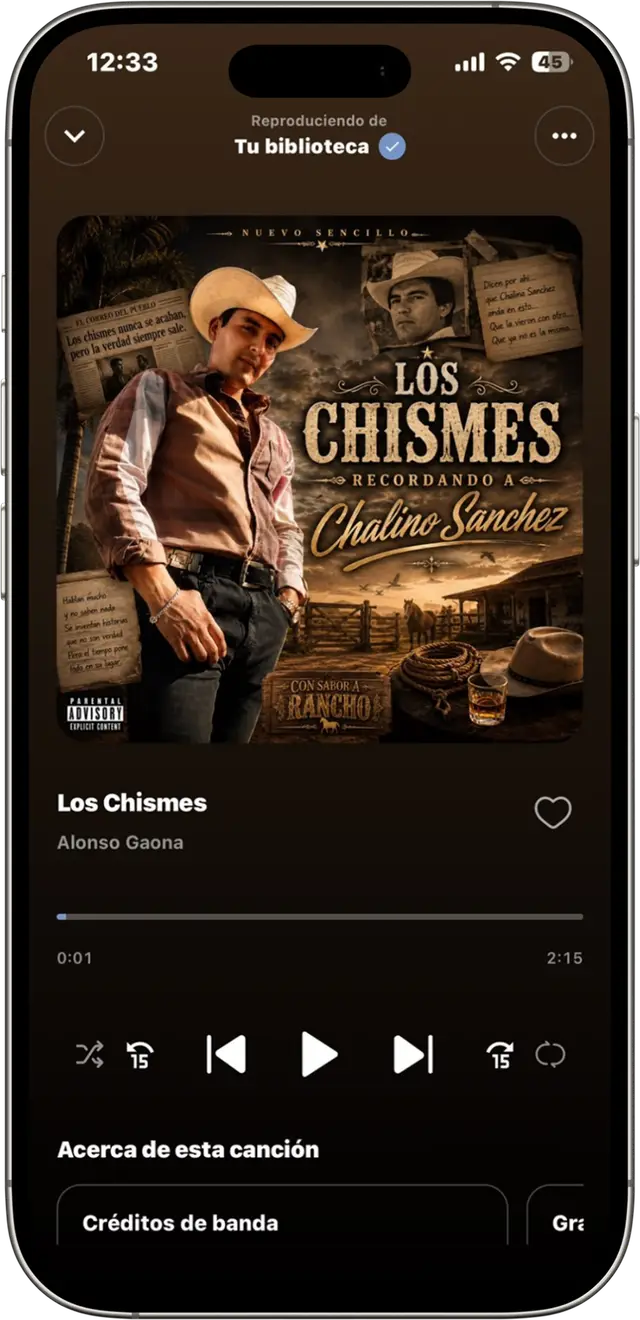
The player, with credits and liner notes
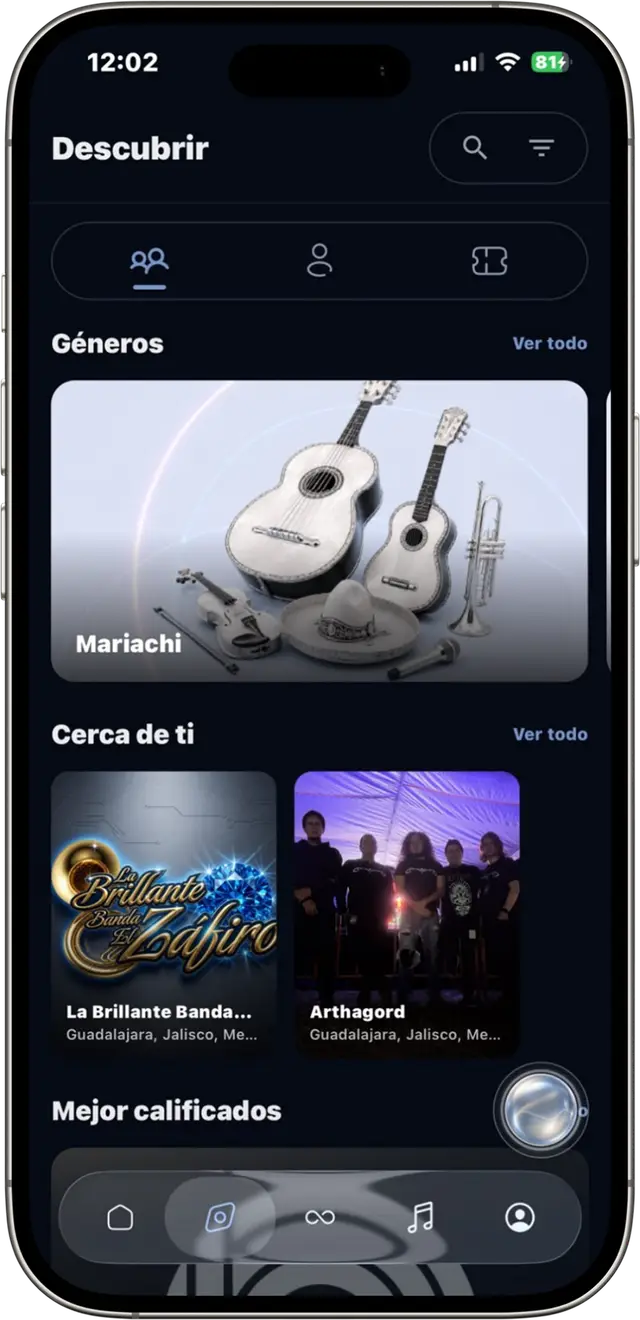
Browsing by genre and by what is near you
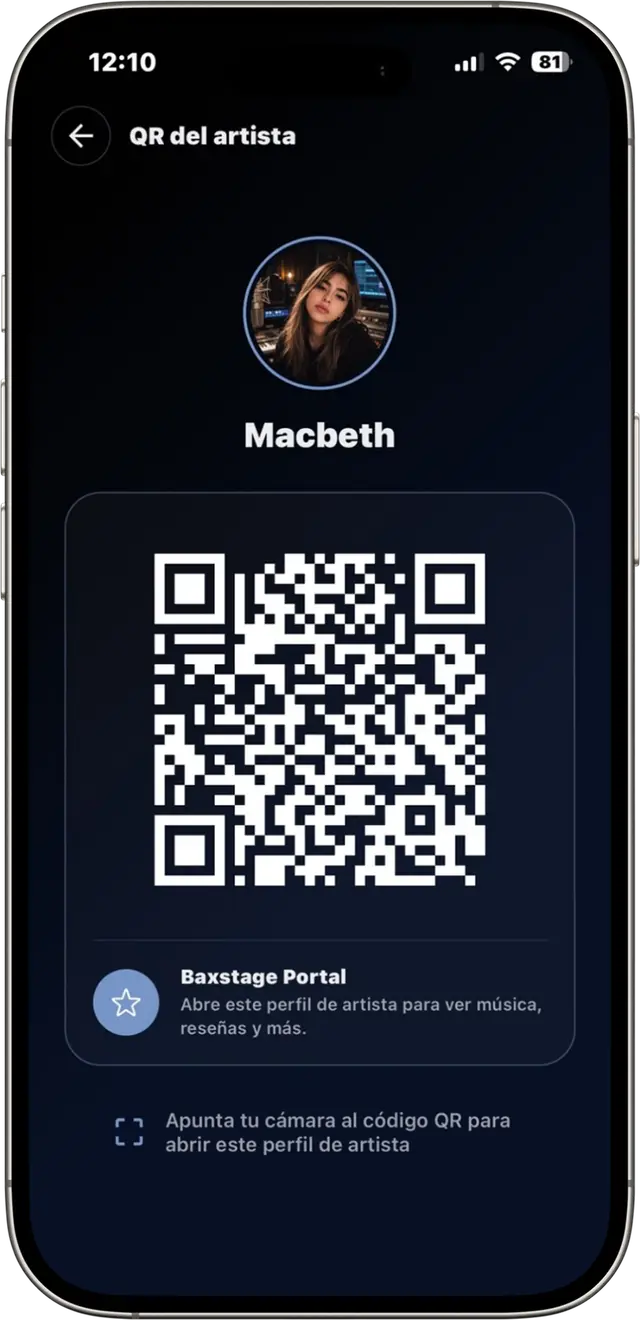
The artist QR that opens the public portal
Live · moving real moneyCross-border payments over WhatsApp
Visit the productommacash.comA remittance platform that bridges bank rails, Circle USDC and EVM networks, delivered entirely through a chat interface people already have open. Secure transaction pipelines, multi-ledger accounting, automated KYC and AML, and the internal treasury and compliance console the operation is run from.
Our role: the payment architecture and the compliance surface, built and operated as a partner rather than billed as a project.
An emotional-intelligence companion for children
An emotional-intelligence companion for children, built with Creating Smiles. A daily emotional check-in, five emotion islands with a lesson path through each, a companion to talk to, and a calm mode where the gamification disappears entirely and the helplines appear. It is deliberately the part of this page with the least to show: a working prototype in testers’ hands, shipping to TestFlight and Play while the partnership is still being shaped.
We are calling it a project, not a venture, until it has earned the word.
We take very few of these, and saying so plainly saves everyone a month.
Sometimes instead, more often alongside. There is no standard split: it moves with the stage of the company, how much of the build we carry, and how much cash is in the business. Whatever it is, it is written down before anyone starts.
The company does, exactly as in client work. Being a shareholder does not change who the repositories belong to.
No, and most do not. The engagement models on the home page are the ordinary way in, and they are the right answer for the large majority of what we build.
It is the same team and the same delivery system, and your work is not queued behind ours. The honest answer to the conflict question is the fourth line of the "we pass when" list above: we do not take a venture that competes with one we already hold.
That is a normal outcome and it is handled in the terms, up front, rather than negotiated for the first time on a bad day.
Most conversations end as client work, and that is a fine outcome. A few do not. Either way the first call costs nothing and you will get a straight answer about which one this is.
Book a 30-min call